Home Window Tinting: Comfort, Privacy, Savings
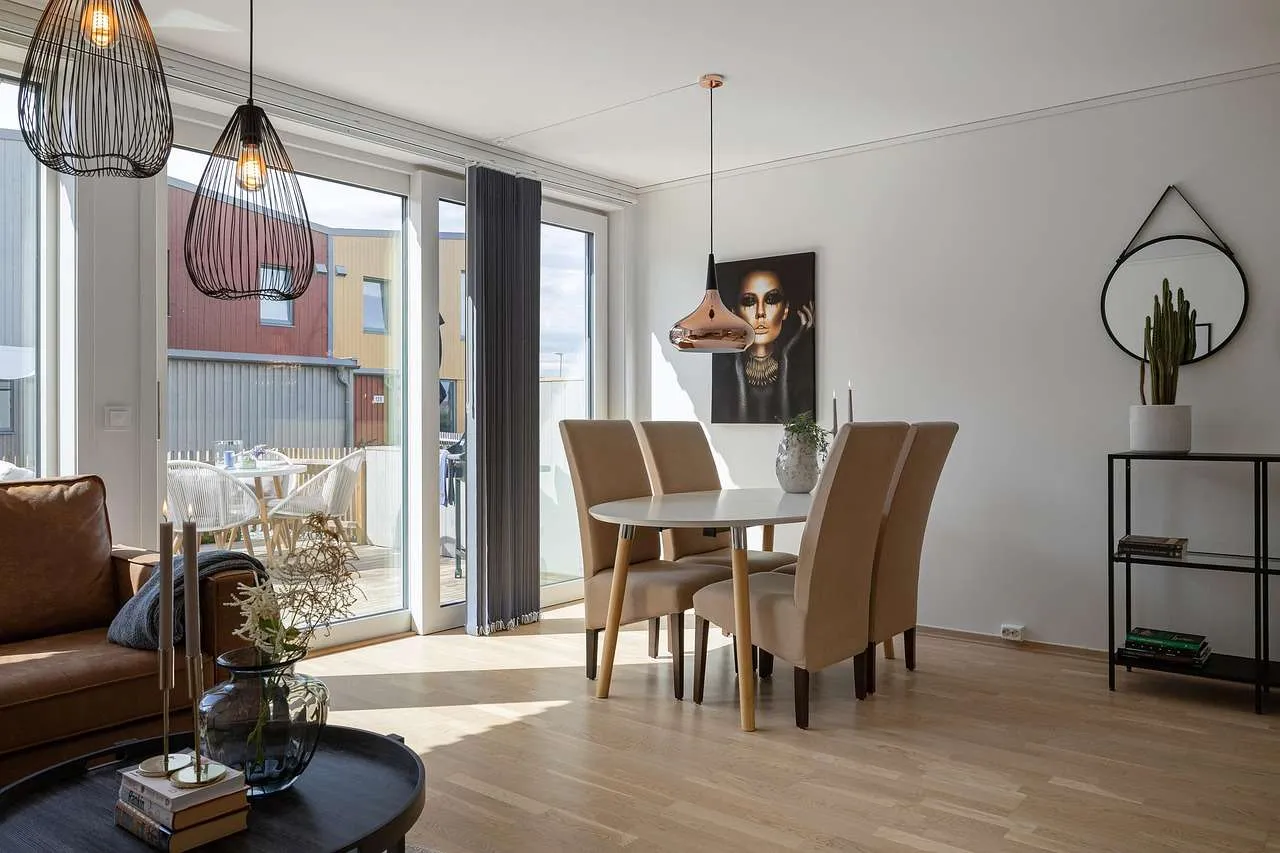
Home window tinting is a popular upgrade for modern homes. By applying a thin film to interior glass, homeowners can manage heat, glare, UV exposure, and privacy without sacrificing natural light.
What is Home Window Tinting?
Window film is a polyester layer with adhesives and a coating that resists heat transfer and blocks UV. For residential use, films are designed to be durable, non-corroding, and aesthetically pleasing. They can be clear, tinted, or reflective, based on the desired effect and local codes.
Benefits of Home Window Tinting
Energy savings
Reducing solar heat gain lowers cooling loads and can lower energy bills, especially in hot climates or sun-exposed rooms.
UV protection and glare reduction
Most films block 99% or more of UV rays, protecting furnishings, flooring, and skin, while reducing glare on screens.
Privacy and aesthetics
Tinted or reflective films offer daytime privacy without blinds. They also enhance curb appeal with a uniform look.
Safety and security
Some films hold shattered glass pieces together, improving safety during storms or break-ins and adding a layer of security.
Types of Window Film
Dyed films
Affordable and good for basic glare control, but they can fade and may require replacement sooner.
Metalized films
These reflect more heat but can interfere with electronics and cause tint issues over time. Some people prefer ceramic.
Ceramic films
High performance, non-metallic, strong heat rejection, and excellent clarity; usually higher cost but long-lasting.
Hybrid and dual-reflective films
Combine reflective properties with dyed layers for enhanced privacy and solar control without excessive glare.
Choosing the Right Film: Key Considerations
Consider the film’s visible light transmission (VLT), infrared rejection, and UV blocking. Climate, room orientation, and solar exposure influence the ideal VLT. Also review warranty terms and manufacturer certifications. For large or multi-story homes, professional installation ensures clean edges and a lasting seal.
Installation: DIY vs Professional
DIY kits exist for small projects but require tools, precise measurement, and careful application to avoid bubbles or peeling. Professional installation provides warranty protection, consistent finish, and accuracy on edges and seals. Licensed installers often offer aftercare guidance and confirm film compatibility with double-pane insulated glass units.
Cost Overview
Costs vary by film type, window size, and labor. Typical ranges are provided below to help planning. Note that professional installation often includes warranty and framing work.
| Film Type | Typical VLT | UV Rejection | Heat Reduction | Estimated Cost per ft² | Best For |
|---|---|---|---|---|---|
| Dyed | 15-45% | Up to 99% | Moderate | $2–4 | Budget-friendly glare control |
| Metalized | 20-60% | Up to 99% | High | $3–5 | Heat blocking, may affect electronics |
| Ceramic | 45-70% | Up to 99% | Very High | $5–8 | Best performance and clarity |
| Hybrid | 35-60% | Up to 99% | Moderate-High | $3–6 | Balanced performance |
| Dual-Reflective | 20-40% | High | High | $4–7 | Privacy with exterior reflectivity |
Maintenance and Longevity
Clean with non-ammonia solutions and soft cloths. Avoid abrasive scrubbing near edges. Most high-quality films last 10–20 years, depending on climate and maintenance. A professional installer will provide a warranty and guidance on re-tinting.
Quality and Credibility: Finding a trustworthy installer
Look for industry certifications, manufacturer warranties, and a portfolio of residential jobs. Request a written estimate, check references, and verify glass compatibility with the chosen film. Choosing a reputable installer protects your investment and supports EEAT by ensuring expertise and accountability.
Conclusion, proper film selection and professional installation deliver lasting comfort, protection, and value through home window tinting.